10 Killer Local Marketing Ideas to Try

10 Killer Local Marketing Ideas to Try

Local marketing is a must, but if you’re like most local business owners, you’ve probably caught yourself thinking something like this:

I feel like I’m doing everything I can – why is my local marketing not delivering the results I want?

It’s a good question. After all, local marketing has a lot of moving parts. You’ve got to think about SEO, content marketing, social media, and PPC ads – it’s a lot for anybody to handle.

The real key to effective local marketing is knowing what ideas are worth pursuing and which ones aren’t. Here are 10 killer local marketing ideas that can have a serious impact on your profits.

#1: Master the Art of Locational Marketing on Facebook

You should always be marketing your business to your local audience on Facebook. Increasingly, consumers are turning to Facebook for information about businesses. There are two types of ads that can help you:

  • Brand awareness
  • Website clicks

Starting with brand awareness can help you break down barriers and prime your local audience to visit you. Following up with a website click promotion will capitalize on your brand awareness campaign and help you attract new customers.

#2: Revisit Your Yelp Categories

You know that reviews are important – and Yelp has a huge SEO advantage. One of the best ways to boost your visibility online is to make sure that you’re using the right categories on Yelp.

A lot of local businesses choose their categories without giving them much thought. Go back and look at them – and keep your most important keywords in mind. Choose categories that highlight your capabilities and keywords and you’ll get more organic traffic from Google.

#3: Build Unique Landing Pages for Every Campaign

It might seem like a lot of work to build a unique landing page for every marketing campaign you run, but you can do it quickly using a tool like Unbounce. The benefit is that you’ll be sure that every click you get on an ad will lead people to a page that’s selling exactly what you’re advertising.
Conversion is an art and a science. The easier it is for people to draw a line between your ad and your call to action, the higher the chances that they’ll convert. Make it simple and you’ll see an increase in sales as a result.

#4: Use Remarketing Ads to Get Reviews

A huge majority of consumers rely on reviews to make buying decisions. The trick is getting your existing customers to review your business.
One way to do it is to set up a simple remarketing ad for people who buy from you or fill out a form on your website. Try a headline that says, “Happy with your purchase? Leave us a review on Google+, Yelp, or Facebook!” Not every customer will respond – but some will and every positive review you get will help increase your visibility and credibility.

#5: Create Guides for Local Activities Related to Your Brand

Local marketing is all about embracing where you are – and helping your customers to do the same thing. For that reason, it makes sense to create a local guide for an activity that is likely to appeal to your target audience.

For example, if you sell cooking equipment, you might create a guide to local farms. Or, you could create a guide to hiking trails if you sell outdoor equipment. The key is to marry your local knowledge to your brand to give your followers something they can use.

#6: Automate Responses to Your Twitter Mentions

Social mentions can have a big impact on how your brand is perceived. One way to maximize that impact is to automate responses to your mentions on Twitter.

A tool I like is Zapier, which allows business owners to set up triggers that send out instant responses when someone mentions their company. It gives an instant boost to your engagement and makes the people who mention you feel valued.

#7: Use Third-Person Ad Copy

Sometimes, online advertising can seem like a relentless wall of noise. Everybody – including your competitors – is out there shouting about how wonderful they are. If you want to get through to your audience, you’ve got to stand out.

One way to do it is to use a third-person voice in your ads. For example, you might pull a line from a testimonial and use it as your headline. “Hiring ABC Company is the best choice I ever made” is a headline that will grab attention and use the power of social proof to bring you leads.

#8: Use Radius Location Targeting on AdWords

Targeting your ads on Google AdWords is really an art form. By using their radius location targeting, you can maximize the chances that your ad will be seen by the people who are most likely to buy from you.

In AdWords, set up a series of radius targets so that your store looks like the center of a bullseye. Then, evaluate your data and adjust your local bids accordingly. Doing this can make a huge difference in your ads’ performance.

#9: Mention the Distance to Your Store in Mobile Ads

The chances are good that more people are seeing your ads on mobile devices than on computers. Since that’s the case, it makes sense to play up your local connection by including the distance from your store in your mobile ads on Google.

It’s easy to do. Simply use the Google Search Console to find new ad groups in your area. Then, add your zip code to your headline and see how easy it is to steal clicks from your competitors.

#10: Add Storefront Pictures to Your Ads

As a consumer, you’ve probably driven by local businesses many times without going inside. One easy way to entice people to come see you is to add a photograph of the front of your store to your ads.

Seeing a photo will trigger a, “Hey, I’ve seen that place!” response from your audience. It’s a simple, inexpensive trick that can entice people to stop and visit you instead of driving past.

Don’t waste your time on ideas that don’t work…

Stop guessing which marketing ideas are worth trying. These 10 simple local marketing tricks can make a huge difference when it comes to attracting customers and growing your business.

Boost Business with These 7 Tools You Probably Haven’t Heard Of

Boost Business with These 7 Tools You Probably Haven’t Heard Of

A great artist may have vision and talent, but to bring a vision to life, the artist needs the right tools. That’s as true of painting as it is of marketing. And while a true artist should never blame tools for a job poorly done, the truth is that the wrong tools can have a negative impact on their work.

Your social media tools aren’t getting the job done.

You might think you have the latest and greatest – and maybe your social media game is on point. But that said, I’m willing to bet that there are a few great tools that you haven’t heard about. Using them can help you take your social media marketing campaigns to a new level.

Here they are.

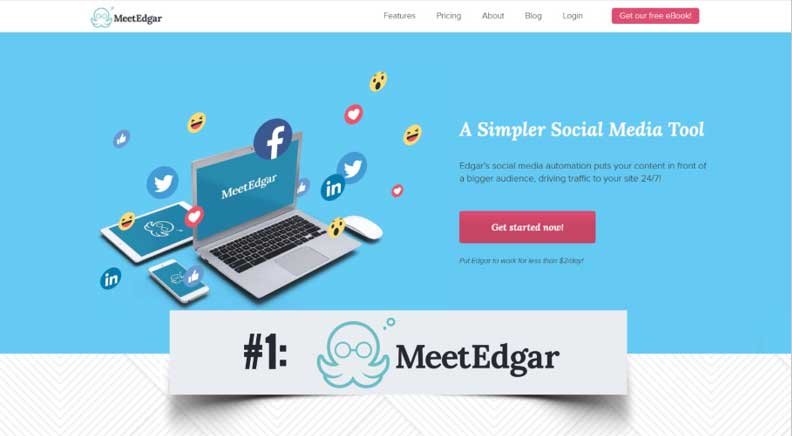
#1: Meet Edgar

Facebook’s algorithm changes have upped the ante for business pages. It was already a challenge to get organic reach with your posts and now it’s harder than ever. Even if you post regularly, you still run the risk that your best content will disappear because it simply isn’t seen by your target audience.

Meet Edgar is a social scheduling app that can rescue your disappearing posts and give them new life by re-sharing them. You may already be doing that – but here’s what’s special about Meet Edgar.

  • It allows you to save your social media posts into a database, so they can easily be reshared – no more scrolling down your page to find a post
  • It can pull items from your RSS feed, including blog posts, and add them to your social media library
  • It categorizes your content to make it easy to find
  • It reposts content automatically to ensure it is seen by your audience

Meet Edgar is a paid tool that works for Facebook, Twitter, LinkedIn, Instagram, and Pinterest.

#2: Quuu

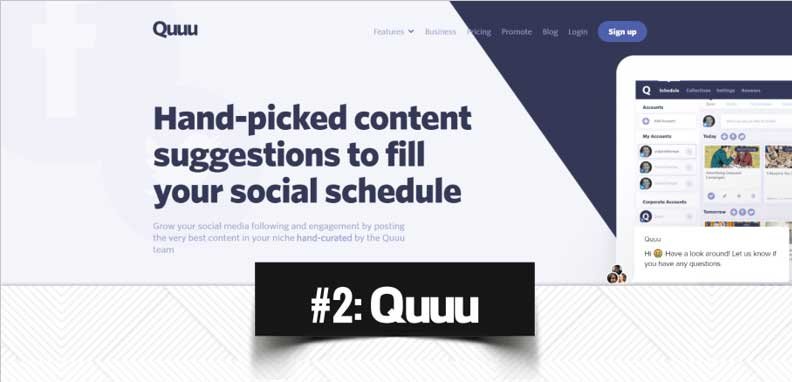
Good social media management means posting a combination of original and curated content. Finding curated content to share with your audience can be time-consuming. Quuu can help.

Quuu is a social media content curation tool. It will monitor the categories you choose – there are over 500 to choose from – and send you up to 6 content suggestions per day. If you opt for the Free or Amazing Plans (their words, not mine), the curated content will be posted automatically unless you delete it from the queue. Choosing the corporate plan gives you the option to approve content before it gets posted.

#3: Trendsmap

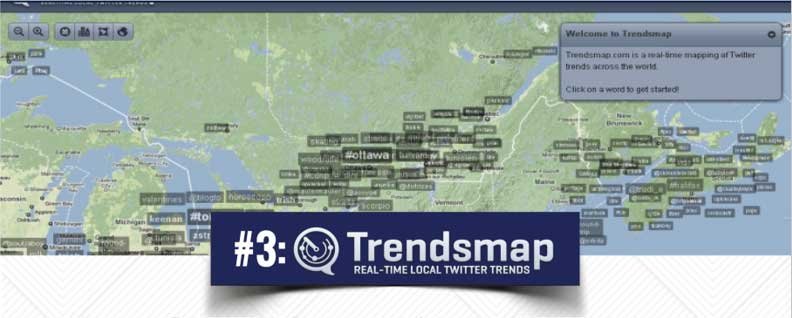
Maintaining a Twitter account for your business requires regular posting and staying on top of the trends and hashtags that are relevant to your location. Trendsmap is a tool that can help you do the latter.

Trendsmap helps businesses get past the national and global hashtag and find the specific local trends and hashtags that are most likely to appeal to your followers. Users can click and zoom on a map interface to see the trending topics in any area. You can then click on a trending topic to get additional information and see what people are saying about it. They have multiple plans available starting as low as $25 per month.

#4: Canva

Visual content gets more engagement on social media than written content, and yet it can be difficult for people who aren’t designers to create the kind of visually compelling posts that will appeal to their followers.

Canva is an incredibly versatile design tool that’s free – and perfect for social media. They have thousands of templates that you can choose from. You can also use their library of images, colors, and fonts to customize your posts. If you opt for their free plan you’ll need to pay for photos, but their paid plan gives you access to the full library plus additional storage and other features.

#5: AdEspresso

Facebook and Instagram advertising can help you grow your business, but it can also be time-consuming to manage. AdEspresso injects a shot of caffeine into the proceedings and speeds up the process.

AdEspresso is an ad management tool created by HootSuite. It gives users a dashboard from which they can manage all of their Facebook and Instagram ads. You can ad tags to your campaigns to make it easier to find them, shortcut the ad creation process, and even split test your campaigns to maximize your conversions. They offer a free trial period and business plans starting at $49 per month.

#6: PushEngage

One of the hardest things for any business to do is to convert a lead into a paying customer. It’s an expensive endeavor and one that requires an ongoing commitment and lead nurturing strategy.

PushEngage is a tool that makes it simple to send push notifications on any browser. That means you can engage with potential customers who have abandoned a shopping cart. You’ll get automatic trigger notifications based on the triggers you specify, giving you the power to engage with users at the perfect moment to make a sale. They offer a free trial and business plans starting at $29 per month.

#7: Mobile Monkey

Chatbots are the future of marketing – and the future is here. If your business isn’t using a Facebook chatbot yet, it’s time to get started.

Mobile Monkey is a tool that will help you build a chatbot for Facebook Messenger in as little as five minutes. They offer an intuitive, drag-and-drop interface that means you don’t need any technical or programming experience to create a bot. They have a huge library of chatbot widgets, including images, text, and even emoji. They have a free plan as well as more comprehensive business plans starting at $42 per month.

An artist is only as good as the tools they use…

…and the 7 social media marketing tools I’ve listed here can help you elevate your social media game, attract new followers, and increase your profits.

Getting people to engage with your social media content is a must. By giving yourself the tools you need, you can ensure that you get the engagement you need to grow your business.

Is Your Website Optimization Getting the Job Done?

Is Your Website Optimization Getting the Job Done?

Your Google website ranking is undeniably important. In fact, research shows that more than half of Google’s traffic goes to the top three ranked websites, and approximately three-quarters of the traffic goes to sites listed on the first page of search results. How do they get on that first page? Here’s the secret:

Their sites are optimized to ensure that they get there.

I’m sure you have already known about Search Engine Optimization, but a lot of local businesses are, quite simply, not getting the job done. They’re focusing on outdated (read: keyword-centered) SEO methods, or else they’ve designed their own websites and missed out on some key opportunities to improve their Google rank.

That stops now. In this post, I’ll walk you through the must-have optimization techniques that will help your website get the lion’s share of traffic for your keywords.

Coding Tips for Optimization

You’re probably not an expert programmer, but with today’s easy-to-use site-building tools, you don’t need to be. However, that doesn’t mean that you can afford to ignore some basic coding issues on your website.

Metadata

Metadata is the first coding issue to address. Metadata includes two things: your title tag and meta description. Both items appear on Google’s SERP, so you need to get them right.

Let’s start with the title tag. Ideally, you want as much of your title as possible to appear on Google. If you shoot for a title tag that’s fewer than 60 characters. (Technically, it’s 600 pixels but that’s a little harder to measure.)

Your title tag should contain your most important keyword as close as possible to the beginning of the title. After that, think about your audience and write a title that’s likely to appeal to them.

The meta description is longer, usually about 155 characters including spaces. Its job is to provide a concise and compelling description of your page. It’s important to have a unique meta description for each page of your website, including blog entries.

Here again, use important keywords but don’t overdo it. You want to give readers a clear idea of what your page is about to make them want to choose your site over the others that are available.

Schema Markup

Next, you’ll want to make sure to include Schema markup on your site. Schema is a collaborative effort by Google, Yahoo, Microsoft, and Yandex. It’s designed to let search engines (and users) know what your website is all about.

For example, a reference to the word “avatar” might refer to:

  • A web ID that represents a user
  • The animated series Avatar: The Last Airbender or the film of the same name
  • The James Cameron film Avatar

Schema code provides context for the language you use on your site. Using it properly will ensure that your site displays properly and that the information you put on it can be understood.

Crawlability

The final coding issue to consider is the crawlability of your site. Google and other search engines send out bots to “crawl” your site – meaning that they check its navigability. Broken links and other issues can make it difficult or impossible for search engines to index your site properly and that can affect your search rank.

You can manually check your site and make sure to repair or remove broken links. You may also want to use a tool like RankSider to check your site’s crawlability.

Your Site’s Content and Optimization

When it comes to getting to the top of Google, your site’s structure and content have a lot to do with where you end up. While you can design your site to your liking, there are certain things you need to have if you want your site to do well.

  1. Global headers and footers will ensure that whatever page a user lands on, they’ll be able to find your home page and get basic information about your company. Your headers and footers should include basic information like your phone number, email address, and social follow buttons. The footer should also have hotlinks to the most important pages on your site.
  2. The About Us page may not contain a ton of keywords, but your site needs to have an awesome one to let people know who you are and what you do.
  3. The Contact Us page should let people know all the ways they can get in touch with you. That means you’ll need to include your address, phone number, email address, social pages, and directions to your office or store.
  4. Each service you provide should be on a dedicated page. Putting all your services on one page limits your SEO impact. You can target more keywords, both in your content and your metadata, if you give each service its own page.
  5. Finally, your site MUST be mobile-friendly. Ideally, you should use a template that’s mobile responsive and will adjust itself to display on any mobile device.

Including these five things on your site will maximize your SEO and ensure that Google’s algorithms give you the rank you deserve.

Web Design and Content

The design of your website might not play a direct role in SEO, but people will be more likely to visit (and revisit) your site if it looks good. That means that you’ll need to have:

  • A simple but memorable logo.
  • Compelling images that let people know what you do (and how you do it). Ideally, you should have original (not stock) images.
  • High-quality video.
  • Compelling written content that sounds natural, has a high degree of readability and uses keywords and LSI artfully. You don’t want your content to be overly repetitive. It should be easy to read and use plenty of white space.
  • Social share buttons make it easy for visitors to your site to share your content with their followers.
  • A click-to-call button is ideal if you want to make it simple for mobile customers to call you.
  • Reviews and testimonials are important. Having a live feed of your Yelp reviews might slow down your site, but you can put links to your pages on key review sites on your testimonial page.

Some companies add additional bells and whistles, but you don’t need to – and your site’s loading speed may be impacted by extras. Keeping it simple is the best way to attract traffic and engage the people who visit your site.

SEO is about more than keywords…

Your site may have qualities and pages that we haven’t listed here, but these are the basics. Doing a quick audit of your site can reveal opportunities for improvement – and make a big difference in your Google placement.

Your Facebook Marketing is Missing the Boat with Gen X, Millennials, and Gen Z

Your Facebook Marketing is Missing the Boat with Gen X, Millennials, and Gen Z

You might be a Facebook marketing whiz. You’ve got targeting down, you create compelling posts to share with your followers, and you can curate content like nobody’s business. But guess what?

If you’re not tailoring your content to the generation of your audience, you’re missing the boat.

Wondering why? It’s because members of Generation X, Millennials, and Gen Z use Facebook in different ways. There’s no one approach that will work for all of them. That means you’ve got to know your audience and then customize your approach to ensure that you’re reaching them.

Marketing to Generation X

Let’s start with Generation X. The people in Gen X were born between the mid-1960s and the late 1970s. They’re sometimes referred to as the Latchkey Generation and they’re sandwiched between the Baby Boomers and Millennials.

Nearly two-thirds of Gen Xers say that Facebook is their preferred social media site. Just about half of them follow brands on social media, and following a brand is a precursor to making a purchase. That means that your Gen X followers are primed to buy. You just need to give them a reason to do it.

The key is knowing why they follow you. 58% of Gen Xers follow brands because they want to get information about sales and promotions. In other words, if part of your target audience is in Generation X, you can engage them by offering them special deals, coupons, and promotions.

What does that mean in practical terms? You can target your Facebook promotions by age, so you might run an ad with a coupon and target it to people in your area between the ages of 39 and 53. You can add additional targeting options based on your audience’s interests, as well.

Generation X has a huge amount of buying power. They’re gainfully employed and doing well – but that doesn’t mean that they want to spend more than they need to. Keep that in mind when you’re marketing to them.

Marketing to Millennials

Millennials are a different breed than Gen Xers. Millennials were born between 1980 and the late 1990s/early 2000s. In other words, they’re between the ages of 18 and 38. Facebook is still their most-used social site, but they also spend a lot of time on Instagram and Snapchat.

Millennials are the first generation of digital natives, which means they’ve seen it all when it comes to online content. They’re far more likely to share viral content like memes and GIFs than Gen Xers are. Millennials want to be entertained, so the content you create should be informative and entertaining. Examples might be how-to videos, behind the scenes tours, and things of that nature.

The most important defining characteristic of Millennials when it comes to marketing is that they are inherently distrustful of content that’s created by brands and of sponsored content in general. They’re far more likely to put their trust in user-generated content (UGC) and online reviews than on anything you say about yourself.

The solution is to encourage your followers to create content on your behalf. A good example is Starbucks’ White Cup campaign on Instagram, which asked followers to decorate plain white cups and post pictures of them. They had to use Starbucks’ special tag to enter the contest, which gave Starbucks the opportunity to share that content with its followers.

Here again, it’s a good idea to create a targeted ad campaign that is directed at Millennials. By choosing the right content to promote or making an ad that will appeal to your Millennial followers, you’ll increase your chances of reaching them. It’s also a good idea to time your Millennial-targeted posts for when they’re most likely to be online: between 8 PM and midnight.

Keep in mind that Millennials now make up the majority of the work force in the United States and have a ton of buying power. You should allocate your Facebook advertising budget accordingly.

Marketing to Generation Z

Generation Z is the generation of young people born between the mid-1990s and the mid-2000s, although there’s some disagreement about the start and end years. There’s some overlap with Millennials.

When it comes to social media use, Gen Z has a lot in common with Millennials. They use Facebook but also spend a lot of time on Instagram and Snapchat. Where they differ is in the type of content they prefer to see.

The first thing you need to know about Gen Z is that their attention spans are notoriously short. Where Millennials might watch a long video, Gen Z is more likely to engage if your video content appeals to them instantly – in about 8 seconds or less.

Another key concern of Generation Z is community involvement and charity work. While this issue has been a focus of articles about marketing to Millennials, it’s even more important when marketing to Gen Z. These are young people who want to use social media to change the world – and they want to support businesses that take a real interest in helping others.

You can reach Gen Z by creating short, snappy videos with relatable actors in them. You don’t want anybody who seems phony. Filming your staff wrapping up donations for a local non-profit would be a great way to engage with them. Likewise, flash sales and things that require immediate action can help you grab their attention.

Keep in mind that Gen Z is still young – but they’re the up-an-coming generation. Right now they might be spending their parents’ money, but in a few years they’ll have their own. If you can hook them now, you’ll be in great shape when they come of age.

Targeting your ads by age might seem like a lot of work…

… but it doesn’t necessarily require you to spend more money than you already are. Understanding generational differences – and providing the kind of content that will appeal to your customers of every age – will maximize the chances that you’ll be able to convert followers into paying customers.

5 Irresistible Lead Magnet Ideas for Local Businesses

5 Irresistible Lead Magnet Ideas for Local Businesses

Everybody knows that if you place a magnet close enough to a metal object, the object will be drawn to the magnet without resistance. That’s basic science even though it might seem like magic.

What if you could adapt the principle of magnetism to your business?

The truth is, you can. Lead magnets are commonly used to attract leads. The problem that some local businesses have is that they’re not sure which type of lead magnet will prove to be irresistible to their target audience.

One reason for the confusion is that many of the online resources about creating lead magnets focus on online businesses. Local businesses need to take a different approach. Here are 5 ideas for lead magnets that will help you attract new leads and customers.

#1: The Mini eBook

Our first proven lead magnet idea is the mini eBook. Giving away a book is enticing to consumers because they’re accustomed to paying for books. Getting one for free is exciting and, if you choose your topic wisely, can be enough to get people to fill out a lead form or subscribe to your list.

The key, of course, is choosing a topic that will appeal to the people you want to attract. Here are some suggestions.

  • A book that explains the biggest mistakes people make in an area related to your niche. For example, if you own a CPA firm, your lead magnet might be about the most common mistakes people make on their tax returns. The idea is to help your target audience in a concrete way.
  • On a related note, you might try a book that explains things not to do or things to avoid. A pet store might have an eBook that explains the 10 things you should never do when house training a puppy.
  • The third option is to focus on the things your customers should be doing – in other words, to give them tips, hacks, or training advice. An example might be a kitchen supply store giving away an eBook that gives readers tips to perfect their baking skills or create the perfect dinner party.

The idea here is to put together a short book – 10 or 15 pages is sufficient, although you can write a longer book if you choose – that provides such obvious value to your target audience that they won’t be able to resist it.

#2: The Checklist

The next option is very quick to create and can be useful to your customers. Checklists are one-page items that are designed to help your target audience complete a task or get organized.

Here are a few examples of the kinds of things that make for interesting checklists:

  • Packing list for students leaving for college
  • Checklist for spring cleaning a house
  • A checklist that lists the steps to prepare and plant a garden
  • A how-to guide for preparing a car to go into long-term storage

These are just a few ideas. The key is to focus your checklist on one task or area and then create something that is both functional and beautiful. Some local businesses give out laminated checklists (or mail them to leads), while others may choose to create a printable checklist.

#3: The Resource Guide

Resource guides can be sort of a hybrid between an eBook and a checklist. It’s always helpful to provide your audience with something they can put to practical use – and a resource guide does precisely that.

Your resource guide might be focused on a service you provide. A party planner might include a list of local caterers and other related service providers in their resource guide.

You might also provide a list of resources to help your clients do something. A tax attorney might put together a list of online resources that includes links to the IRS website and other resources to help clients prepare to file their taxes.

#4: Case Study

What if your business is service-based? If that’s the case, you may want to consider creating a detailed case study as your lead magnet.

A case study isn’t actionable the same way an eBook or checklist might be, but it can be the ideal way to illustrate the value you can provide to your clients.

For example, a wedding planner might create a case study that demonstrates her ability to organize a beautiful wedding on a shoestring budget. An accounting firm might do a case study explaining how they saved a client thousands of dollars in taxes.

Here, your goal should be to show yourself and your business in the best light possible. Your case study doesn’t need to be long, but it should be something that’s designed to appeal to the audience you want to attract.

#5: Free Coupon/Discount

We’ve saved our least complex lead magnet for last. Everybody loves to get something for a discount (or for free!) and offering a free coupon or discount is a proven way to attract leads.

Of course, you can get creative with this option, too. Here are some suggestions:

  • Offer something complimentary to get new customers in the door in return for an email address.
  • Create a birthday club and send subscribers a free gift on their birthdays every year (Sephora does this and people love it)
  • Create a VIP club that awards points for purchases and sends rewards based on a customer’s purchases
  • Offer a buy one/get one free coupon for first-time customers in exchange for an email address

The offer you create will depend on how much you want to give away and what your goals are. The key is to think about your target audience and what will appeal to them. Then, measure that against what you’re willing to spend.

Any audience can be drawn in by the right offer…

Your job is to consider the people you want to attract, and then create a lead magnet that is so irresistible that they’ll line up to give you their email addresses or fill out your lead form.

After that, the rest is easy.

GDPR: How It Affects Your Small Business (Yes… Even in the AU)

GDPR: How It Affects Your Small Business (Yes… Even in the AU)

What does a European Union law about privacy have to do with your small business?

That might seem like a ridiculous question to ask, but it’s not.

The General Data Protection Regulation, or GDPR for short, went into effect on May 25, 2018. And with privacy issues in the news on a near-daily basis, with the recent Congressional hearings about Facebook and Cambridge Analytica, you can’t afford to ignore the ramifications of GDPR for your business.

You could keep your head buried in the sand – but that’s not a good idea. Here’s what you need to know about GDPR.

What is GDPR?

GDPR is a law that was designed to standardize data privacy in the European Union’s member countries. It represents a big chance – and a victory for EU citizens, who can now be confident that their data will be secure and that the regulations used to ensure its security are transparent.

On the flip side, EU-based businesses have had to scramble to be compliant with the new rules. The biggest requirement involves Personal Identification Information, or PII. PII is sometimes used as a general term in the United States to describe personal information that companies might collect and store on behalf of their customers.

While PII has traditionally included information like Social Security numbers and addresses, the GDPR expands the definition of PII to include other things. For example:

  • Web data, including the user’s location, IP address, cookies, and RFID tags
  • Medical and genetic data, including medical records, test results, and DNA
  • Biometric data, including fingerprints and other unique identifiers
  • Racial and ethnic data
  • Political opinions and orientation
  • Sexual orientation

In other words, companies in the EU must now protect their customers’ IP addresses and other information collected online with the same care that they would financial information. It further requires that organizations:

  • Store and process personal data only with an individual’s explicit consent
  • Hold data for only as long as it is necessary to do so
  • Destroy stored data upon request

There’s no denying that the implementation of GDPR represents a big change for EU companies.

How Does GDPR Affect Companies?

Think for a moment about the different ways in which you use the data you collect from your customers. The chances are good that you do more with it than you realize.

Organizations in the EU are finding that they institute company-wide changes to be compliant with GDPR regulations. Privacy can impact various departments within an organization, including:

  • IT
  • Sales
  • Marketing
  • Finance
  • Operations

Business owners and managers must work together to identify potential privacy problems and security issues and address them to protect the information they have stored. At the same time, they must accommodate incoming requests related to the “right to be forgotten” if customers ask them to delete the data they have on hand.

Why You Should Worry about GDPR Compliance

Your business is based in the United States – and you might be asking the obvious question:

Why should I worry about GDPR compliance?

You may not need to worry too much about it if you have never had a customer who was an EU citizen. However, if you do business in the EU (or cater to tourists from the EU), then you might be impacted by the new regulations.

This is what the GDPR website says about organizations outside the EU:

The GDPR not only applies to organisations located within the EU but it will also apply to organisations located outside of the EU if they offer goods or services to, or monitor the behaviour of, EU data subjects. It applies to all companies processing and holding the personal data of data subjects residing in the European Union, regardless of the company’s location.

In other words, if you collect data on your website from EU citizens, process payments from them, or hold any personal information belonging to EU citizens, you must adhere to GDPR rules about collecting, using, and storing their PII.

You might not have any EU customers, but even if you don’t it may be worth taking a look at the way you store personal data. There’s no question that there’s a worldwide movement toward increasing privacy protections. Cybercrime is on the rise and criminals are getting wilier every day. Considering the damage that a data breach can do to your bottom line, it makes sense to err on the side of caution.

What Are the Penalties for Violating the GDPR?

As you might expect, there are penalties attached to violating the GDPR. The law is meant to be a deterrent and the EU intends for organizations who fail to be complaint to pay a price.

The most likely penalty if you fail to protect EU citizens’ data is a fine. The maximum fine is 20 million Euros, which works out to nearly $25 million in US dollars. The specific rule is €20 million or 4% of the company’s global revenue, whichever is higher.

The harshest penalties are intended to punish companies with the most severe violations, such as violating core concepts or not getting a customer’s consent to process their data. Other fines are organized in tiers. For example, an organization can be fined 2% of their global revenue for things like:

  • Not having their records in the proper order
  • Not notifying the authorities of a security breach
  • Not conducting the required impact assessment

These are serious penalties. You’ll need to take a hard look at your security and data handling procedures to avoid them if you do business in the EU or with EU citizens.

What Should You Do Next?

If you do business in the EU or simply want to get your ducks in a row when it comes to protecting your customers’ data., it may be helpful to make a thorough review of your existing data collection and storage procedures to identify potential problems.

You can find detailed information about the GDPR on this website. Depending on your circumstances, you may want to consult an EU lawyer as well.

In the end, remember that GDPR compliance protects you as well as your customers. It can be impossible to protect the digital perimeter of your business from hackers, but the procedures required by the GDPR can give you an extra layer of protection in the event of a breach.

How to Tell Your Marketing Isn’t Working (and How to Fix It)

How to Tell Your Marketing Isn’t Working (and How to Fix It)

When you are running a small business, your marketing can make all the difference between a successful year and one that falls short of your goals. Of course, every business does their best to develop and execute dynamic marketing plans to drive customer conversions, however they can often fall short of the mark.

One of the biggest mistakes that companies make is failing to review their marketing strategy to see where exactly they are falling short. By performing regular reviews of your marketing plan, you can quickly identify when it is not working, leading to solutions that you implement right away.

Here are 5 tell-tale signs that your current marketing needs improvement, as well as the best fixes for each scenario. By objectively auditing your advertising performance, you can easily see the areas that need to be fixed, then come up with a new strategy to get your business back on track!

You aren’t getting qualified leads for your marketing campaigns

The goal of marketing is not to just get leads, but to get leads that will actually bring you new customers. If you recognize that a large number of your leads are people that are not actually interested in your products or services, then you are definitely doing something wrong.

By analyzing the type of people that call, email or visit your website, you can tell whether or not you are targeting the right people through your current marketing scheme.

The Fix: If your leads are not high quality and are not resulting in customer conversions, then it’s time to revisit your content and target demographic. Make a list of your ideal customer, including key traits such as age, location, gender, and income level, then tailor your marketing plan to directly target those people.

You do not have a consistent marketing strategy

Have a look back through your recent content and advertisements to look for continuity. If you notice that your social media posts, email blasts or sales materials do not all convey the same message, then you can be confusing clients.

You want your business to be represented in a structured manner that runs the gamut of the sales cycle: getting potential clients interested, cultivating leads, converting clients, then reselling. If you strategy doesn’t follow this pattern, then you may be missing out on vital elements of digital marketing.

The Fix: Put yourself in the perspective of a potential client. Draw out a roadmap of how you want to captivate somebody to be interested in what you offer, how you can guide them to becoming a client, a persuasive manner to close the deal, then a follow-up strategy to resell to them.

You are not differentiating yourself from the competition

Regardless of your industry, there is likely to be a wide range of competition that is also marketing to the same clientele. One of the biggest mistakes that businesses make is that they play it too safe, being afraid to truly draw attention to themselves by being unique.

If your marketing strategy is too generic, then you will simply be lost amongst the hundreds, potentially thousands of competitors that are offering similar products or services. This will not help you increase sales or grow your clientbase, but rather be a waste of your marketing budget and your resources.

The Fix: Pick a handful of businesses in your industry and have a look at their marketing campaigns. If you notice that yours are quite similar or see that most companies are doing the same thing, then make a list of ways that you can set yourself apart. From compelling organic content to the use of dynamic media such as videos, start adding innovative aspects to your marketing plan that nobody else is doing.

Searching your business does not bring favorable (or any) results

The whole goal of marketing is drawing eyes to your brand in a positive manner. By simple conducting some online searches for your business and relative terms, you are able to get a sense of how often potential customers see your company. If you aren’t on the first page of search results for your services or local searches, then it becomes exponentially harder to draw in new clients.

When you do find your business online, you also want to see what existing clients are saying about you. Checking Facebook, Google, and any industry-specific review sites for feedback is extremely important. Businesses that have a large number of positive reviews are far more likely to convert searchers into paying customers.

The Fix: If you notice that your business doesn’t appear in searches, it’s time to ramp up your SEO. From regular organic content to strengthening social media presence, you need to add new dimensions of marketing. If you are lacking reviews, reach out to your current customers by incentivizing them to add feedback on a variety of review sites.

You haven’t pre-sold to your customers

When you have clients contacting you or visiting your website, you want them to already know exactly what they want. They should be walking into your door ready to take you up on your latest offer or buy your newest product without you having to convert them.

If you find that potential customers are unaware of your products or need to be convinced to buy from you, then your marketing needs to ramped up. Marketing should not just begin the sales cycle, it should already have people in the mindset that they are ready to do business with you!

The Fix: You may need to be more direct in your advertising efforts, focusing on both informing and persuading people within first glance. Integrating some sales videos that highlight the benefit of what you offer and intensely pushing current promotions will give the clients a sense of urgency to act as fast as possible.

Turning your marketing strategy around

If you notice that one or more of these issues apply to your current situation, then there is no better time than the present to begin revamping your marketing plan.

Working with a professional marketing team can drastically increase the efficiency of your campaigns by driving customer conversions, maximizing ROI and reducing costs.

Click here to request your free marketing blueprint session to help fix any current issues and bring your company the business that it deserves!

Social Media Marketing And It’s Secrets

Social Media Marketing And It’s Secrets

Social media marketing can seem deceptively simple to people who look at it from the outside. All you need is a great product or service and your audience will find you.

Wouldn’t it be great if that were true? But sadly, it’s not.

In fact, Social media marketing is a real challenge for local businesses – and can prove tricky even to people who spend a lot of time and energy managing their social media accounts.

The reason? There are some popular misconceptions about Social media marketing and some secrets that you simply won’t know about unless someone tells you.

Here they are.

#1: The Size of Your Following May Not Matter

One of the biggest misconceptions about Social media marketing is that Page Likes equal success. That’s often not the case.

You can create an entertaining account that attracts new followers and not see any change in your bottom line. If that happens, you’re basically whistling in the wind. The time and energy you spend on managing your social media pages isn’t getting you anything in return.

A better bet is to focus on attracting highly qualified and motivated followers who are likely to turn into customers and share your content with their friends.

#2: There’s No Such Thing as Overnight Success

To quote the cliché, Social media marketing isn’t a sprint. It’s a marathon. It takes a lot of time, commitment, and dedication to attract a following and see results from your Social media marketing efforts.

In many ways, this misconception relates to the first one. A big following doesn’t equal success. You may spend a lot of money boosting your page and attract a lot of followers. However, if those followers don’t buy from you, the money will have been wasted.

In other words, Social media marketing requires an ongoing commitment to excellence. You’ll need to work hard to create valuable and entertaining content – and be willing to tweak your methods to get the results you want.

#3: You Won’t Succeed Without Analysis

Analyzing the results of your Social media marketing​ is a must if you want to grow your business. It’s not enough simply to eyeball your Likes and other obvious metrics. You’re going to need to dig deep to refine your strategy.

Fortunately, most platforms offer basic analytics that you can use to get started. If you pay for a social media management tool, you probably have access to additional reporting and analysis. Either way, it’s essential to use the data you have to test, refine, and re-test your content and strategy.

Even if you’ve done well on Facebook or Instagram, you’ll need to commit to doing the sometimes-tedious legwork that will help you hit on the right strategy to grow your business.

#4: Engagement Is Just as Important as Content

You might create fantastic content on a regular basis, but if you aren’t also setting aside time to engage with your followers, you might as well not bother.

A lot of companies make the mistake of forgetting the “social” in social media. It’s your job to monitor your content, reply to comments, answer questions, and generally make your followers feel that they are important to you.

Engagement can be time-consuming, and it’s one of the reasons that a lot of small businesses don’t do well on social media. You may need to hire someone to monitor your mentions, comments, DMs, and questions to ensure that nothing is falling through the cracks.ss on social media.

#5: Success is Difficult to Predict

The Holy Grail of social media marketing is the viral post. Whether it’s a video, a meme, a photograph, or a blog post, every social media marketer dreams of creating The One – the special post that reaches millions of followers and sends their business into orbit.

We’d love to be able to give you a formula to help you create that perfect post. Sadly, there isn’t one. The best you can do is create the most entertaining, valuable, relevant content you can – and hope that your followers will share it and that it will catch on.

Of course, there are some things that can help your chances of going viral. Humorous content does well, and so does content that’s useful to different groups of people. Instead of focusing on virality, spend your time getting creative – and the rest will, hopefully, follow.

#6: You’ll Need a Creative Team to Help You

Your social media goals may be simple or grand, but either way, it’s important to understand that you may not be able to do everything you need to do without help.

Creativity is a plus when it comes to social media marketing. If all you do is share content from other people or Tweet out information about your products, you’re not going to attract the passionate following you want.

The key is to give your social media manager the creative support they need. That may mean hiring a creative team to work with them. Or, it may be as simple as giving them a creative budget that they can use to hire freelance writers, photographers, and artists to give your social media marketing a boost.

#7: Everything Can Change at a Moment’s Notice

One of the trickiest aspects of social media marketing is that change is normal. Platforms like Facebook and Instagram are constantly tweaking their algorithms – and you’ll need to stay on top of the changes they make if you want to do well.

For example, Facebook recently changed its algorithm to prioritize posts from personal connections over those from businesses. As a result, business owners have had to rethink their strategies, work harder to get organic engagement, and increase their Facebook marketing budgets to make sure that their posts reach their followers.

Tracking your performance and engagement can help you in this regard. However, it’s essential to be aware of changes and to adapt your strategy accordingly so you’re not spinning your wheels.

Social media marketing isn’t as easy as it seems…

That much is clear. But, keeping the seven items we’ve outlined here in mind can help you make the most of the time, creative energy, and money you spend to promote your business on social media.

Social Media Marketing And It’s Secrets

7 Things People Don’t Tell You About Social Media Marketing

Social media marketing can seem deceptively simple to people who look at it from the outside. All you need is a great product or service and your audience will find you.

Wouldn’t it be great if that were true? But sadly, it’s not.

In fact, social media marketing is a real challenge for local businesses – and can prove tricky even to people who spend a lot of time and energy managing their social media accounts.

The reason? There are some popular misconceptions about social media marketing and some secrets that you simply won’t know about unless someone tells you.

Here they are.

#1: The Size of Your Following May Not Matter

One of the biggest misconceptions about social media marketing is that Page Likes equal success. That’s often not the case.

You can create an entertaining account that attracts new followers and not see any change in your bottom line. If that happens, you’re basically whistling in the wind. The time and energy you spend on managing your social media pages isn’t getting you anything in return.

A better bet is to focus on attracting highly qualified and motivated followers who are likely to turn into customers and share your content with their friends.

#2: There’s No Such Thing as Overnight Success

To quote the cliché, social media marketing isn’t a sprint. It’s a marathon. It takes a lot of time, commitment, and dedication to attract a following and see results from your social media marketing efforts.

In many ways, this misconception relates to the first one. A big following doesn’t equal success. You may spend a lot of money boosting your page and attract a lot of followers. However, if those followers don’t buy from you, the money will have been wasted.

In other words, social media marketing requires an ongoing commitment to excellence. You’ll need to work hard to create valuable and entertaining content – and be willing to tweak your methods to get the results you want.

#3: You Won’t Succeed Without Analysis

Analyzing the results of your social media marketing is a must if you want to grow your business. It’s not enough simply to eyeball your Likes and other obvious metrics. You’re going to need to dig deep to refine your strategy.

Fortunately, most platforms offer basic analytics that you can use to get started. If you pay for a social media management tool, you probably have access to additional reporting and analysis. Either way, it’s essential to use the data you have to test, refine, and re-test your content and strategy.

Even if you’ve done well on Facebook or Instagram, you’ll need to commit to doing the sometimes-tedious legwork that will help you hit on the right strategy to grow your business.

#4: Engagement Is Just as Important as Content

You might create fantastic content on a regular basis, but if you aren’t also setting aside time to engage with your followers, you might as well not bother.

A lot of companies make the mistake of forgetting the “social” in social media. It’s your job to monitor your content, reply to comments, answer questions, and generally make your followers feel that they are important to you.

Engagement can be time-consuming, and it’s one of the reasons that a lot of small businesses don’t do well on social media. You may need to hire someone to monitor your mentions, comments, DMs, and questions to ensure that nothing is falling through the cracks.ss on social media.

#5: Success is Difficult to Predict

The Holy Grail of social media marketing is the viral post. Whether it’s a video, a meme, a photograph, or a blog post, every social media marketer dreams of creating The One – the special post that reaches millions of followers and sends their business into orbit.

We’d love to be able to give you a formula to help you create that perfect post. Sadly, there isn’t one. The best you can do is create the most entertaining, valuable, relevant content you can – and hope that your followers will share it and that it will catch on.

Of course, there are some things that can help your chances of going viral. Humorous content does well, and so does content that’s useful to different groups of people. Instead of focusing on virality, spend your time getting creative – and the rest will, hopefully, follow.

#6: You’ll Need a Creative Team to Help You

Your social media goals may be simple or grand, but either way, it’s important to understand that you may not be able to do everything you need to do without help.

Creativity is a plus when it comes to social media marketing. If all you do is share content from other people or Tweet out information about your products, you’re not going to attract the passionate following you want.

The key is to give your social media manager the creative support they need. That may mean hiring a creative team to work with them. Or, it may be as simple as giving them a creative budget that they can use to hire freelance writers, photographers, and artists to give your social media marketing a boost.

#7: Everything Can Change at a Moment’s Notice

One of the trickiest aspects of social media marketing is that change is normal. Platforms like Facebook and Instagram are constantly tweaking their algorithms – and you’ll need to stay on top of the changes they make if you want to do well.

For example, Facebook recently changed its algorithm to prioritize posts from personal connections over those from businesses. As a result, business owners have had to rethink their strategies, work harder to get organic engagement, and increase their Facebook marketing budgets to make sure that their posts reach their followers.

Tracking your performance and engagement can help you in this regard. However, it’s essential to be aware of changes and to adapt your strategy accordingly so you’re not spinning your wheels.

Social media marketing isn’t as easy as it seems…

That much is clear. But, keeping the seven items we’ve outlined here in mind can help you make the most of the time, creative energy, and money you spend to promote your business on social media.

Are You Ignoring 35% of All Web Users?

Are You Ignoring 35% of All Web Users?

If you tend to keep up with SEO and search trends, then you know that almost everything focuses on Google. And why not? Google is by far the largest search engine, snagging about two-thirds of all searchers.

Two-thirds is a lot, but do you notice what’s missing there? If you remember what you learned about fractions, it’s not that hard.

Got it?

That’s right! One-third of all searches aren’t using Google.

And yet, amazingly, most businesses aren’t thinking about other search engines at all! They remain laser-focused on Google.

That’s good news for you, because it means that by taking other options into account, you can get a leg up on your competition. Sounds pretty good, right? So, let’s talk about it.

What Search Engine Are the Missing 35% Using?

If not Google, who?

That’s probably what you’re wondering. You might think that that elusive 35% is split among several search engines. That’s right – but it’s also wrong.

You see, as of 2015, Yahoo made a deal with Bing. Approximately 51% of all Yahoo searches use Bing. And, since Bing and Yahoo are responsible for about 35% of all search traffic, that means that optimizing for Bing can help you capture people you might miss by thinking only about Google.

Bing and Google have a lot in common. But, if you search one of your keywords and compare the SERP, you’ll notice some differences. Addressing those differences can help you stand out from your competitors.

The key is to do it without messing with your Google rank.

Advantages of Optimizing for Bing

Before we walk through how you can optimize for Bing searches without affecting your Google rank, let’s talk about the main advantages of optimizing for Bing.

  1. You’ll face less competition than on Google. Remember, most businesses aren’t thinking about their Bing rank. That means if you take the time to optimize for Bing, you can outrank your competition and grab the lion’s share of traffic from Bing searches.
  2. Traffic from Bing has, on average, a higher conversion rate than traffic from Google. It’s hard to quantify the reasons for the difference, but it may be that Bing users tend to be older and more affluent than Google users.
  3. Bing is much more open about their ranking factors than Google. Instead of guessing about what will help your site to rank, you can simply refer to what Bing has said about it and optimize your site accordingly. In other words, they’re pro-SEO.

These things point to a clear opportunity for business owners who want to find a low-cost but effective way to attract more traffic.

How to Improve Your Bing Rank

Now, let’s talk about what you can do to improve your rank on Bing. Many of the things that work for you on Google will also work on Bing. The trick is to tweak your SEO just a bit, so your site maintains its Google rank and moves up on Bing.

Make Sure Your Site is Indexed on Bing

The first step is to make sure your site is properly indexed on Bing. If it’s been around for a while it probably is, but if your site is new, it may not be.

Start by doing a search for site: www.yoursite.com on Bing. That will show you how many of your site’s pages have been indexed.

If they’re indexed, you can move on to the next step. If they’re not, you should go ahead and submit your site here.

Tell Bing How Often to Crawl Your Site

Next, tell Bing how frequently to crawl your site. If you look at Bing’s Webmaster Tools, you’ll notice that the default setting is standard. That’s fine if your site is static; but, if it’s large or you update it frequently, you should dial up the crawl rate for the best results.

Submit a Clean Sitemap

Bing has only a 1% tolerance for dirt in your sitemap. That means if you want your rank to improve, you’ve got to clean it up and submit it. You can do it on your Webmaster Tools page.

Another option is to include a link to your sitemap in your Robots.txt. However, the benefit of doing it through Bing is that you’ll get error messages if there are problems with your sitemap. That means you’ll be able to clean them up as you go.

Use Straightforward Keywords

If you know anything about Google, you know that LSI and context are nearly as important as keyword use. That’s not the case on Bing. They put a higher premium on exact keyword matches than Google does.

Fortunately, this is a change you can make without hurting your Google rank. You’ll want to increase your keyword density a bit, but not so much that it affects the quality of your content.

Using those same keywords in tags – the title tag is hugely important on Bing – is essential, too.

Improve Your Click-Through Rate

Bing pays a lot of attention to user behavior. If users click your site and then hit the back button, it will affect your Bing rank.

You can check your CTR and bounce rate on Bing from your Webmaster Tools dashboard.

Build More Backlinks

Google tends to place more emphasis on the quality of backlinks than the number of them. Bing does the reverse.

You can’t disregard the quality of your backlinks without negatively impacting your Google rank. But, by adding additional backlinks, you can positively impact your Bing rank.

It’s also a good idea to do what you can to improve the quality of your anchor text in your backlinks. Don’t overdo it – that can hurt you with Google – but contacting a few webmasters to ask them to use keywords in the anchor text can help you with Bing.

Use Social Signals to Your Advantage

Unlike Google, Bing comes right out and says that social signals have an impact on the SERP. That means anything you do to boost your social media impact will help you with Bing.

The best way to capitalize on this is to monitor your social signals, attract new followers, and do whatever you can to amplify your reach on sites like Facebook and Instagram.

Ignoring Bing users is a bad idea…

By taking a few simple steps to boost your Bing ranking, you can out-maneuver your competition. When you think about it, it makes no sense to simply ignore a third of all searches – so stop doing it and give Bing the attention it deserves!